

In case you missed it see what’s in this section
We recommend

eating and drinking
Sponsored by

lifestyle
Sponsored by
entertainment
Sponsored by

business
Sponsored by

jobs
Sponsored by

community
Sponsored by
shopping
Sponsored by

sport
Sponsored by
Property
Sponsored by

motoring
Sponsored by

Your Total Guide To lifestyle
Spinal Muscular Atrophy (SMA) has been thrust into the spotlight as clinicians, charities and families campaign for newborn screening across the UK. For Jessie May, the issue is very personal. The charity was founded in 1996 after baby Jessica May died from SMA at just four and a half months old. Her parents’ determination that other families should have the choice to care for their child at home, became the foundation of the service that exists today.
Three decades on, children with SMA and other life-limiting conditions continue to rely on this specialist support. But the future of hospice-at-home care is increasingly fragile.
Hospices across the UK must raise £3.8 million every day to keep going, and many families remain unaware that this care is provided free of charge or that it depends heavily on voluntary donations and Gifts in Wills.
Almost half of people in Bristol (49%) say they would prefer to receive palliative care at home, yet more than half (54%) don’t realise that hospice services are provided free of charge. This gap in understanding matters because it means many families may not be aware that specialist nursing and emotional support can all be delivered in the comfort of their own homes; and that this care relies heavily on voluntary donations and Gifts in Wills to continue.
As demand for palliative care continues to rise and hospices face growing financial pressures, raising awareness of how hospice-at-home care works - and how legacy gifts help protect it - has never been more important. This support is life-changing for the families who rely on it every day.
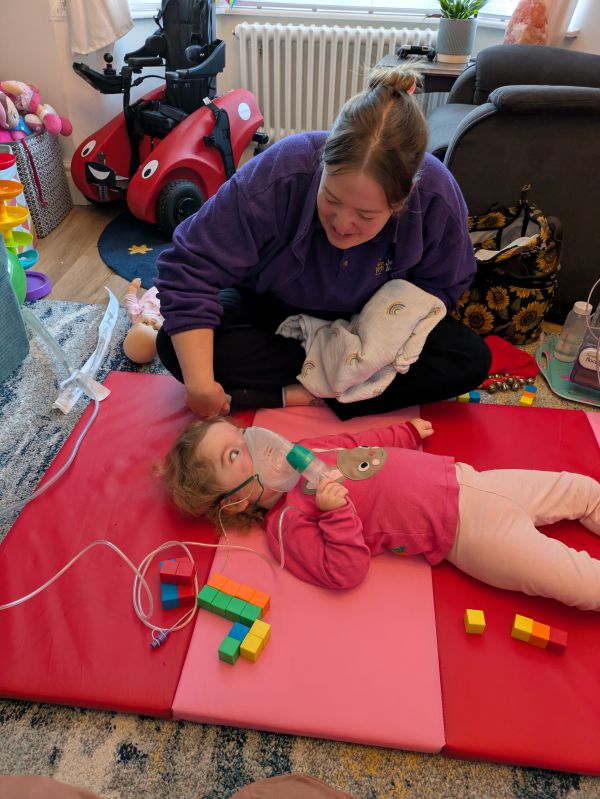
One of those families is two-year-old Fenn and her parents in Bristol, who depend on Jessie May’s support in their home. Fenn lives with SMA Type 1, a condition that affects every part of her daily life - from breathing and swallowing to movement and muscle strength. Her family have had to navigate hospital stays, specialist equipment, and the constant uncertainty that comes with such a complex condition.
When a parent receives an SMA diagnosis, their life is turned upside down - they become not only a parent but also a full-time carer, managing complex medical routines that would usually require hospital care. This is where services like Jessie May are crucial. By providing specialist nursing care in the comfort and safety of the family home, Jessie May allows children with SMA to access vital treatments such as respiratory care, physiotherapy, feeding support, and daily medical routines while maintaining family life.
“Before Jessie May, leaving Fenn with anyone else felt impossible.” Fenn’s mum Wendy explains. “I would write a four-page instruction booklet before a short hospice visit. But now I know I can trust the nurses completely. And because they come to the house, the support is easy, accessible, and free from the stress of packing medical equipment or arranging transport.”
Thanks to support funded in part by Gifts in Wills, Fenn can be safely cared for at home, surrounded by the people and comforts she loves most. Jessie May nurses provide
specialist nursing care, emotional support and a short break, giving her family the chance to share moments of closeness during an incredibly difficult journey.
Kath Jones, Individual Giving Manager at Jessie May, said:
“Families like Fenn’s rely on the reassurance of knowing specialist care can come to them at home, where their child feels safest. Gifts in Wills help make that possible. They ensure our nurses can be there for families whenever they’re needed, offering expert care and emotional support during the most difficult moments. Every legacy, no matter the size, helps us give children the chance to be at home with the people they love.”
To find out more about leaving a gift in your Will to support children like Fenn, visit here.







We recommend


In case you missed it see what’s in this section
Listings